
Furnace Repair With Bad Credit: How Credit Bad Loans Can Help
Typical furnace repair costs, assistance programs and how a small personal loan covers the rest with bad credit.
Read the guide →Guide · Home repair
A small roof leak can turn into thousands in damage within a season. A fixed-payment personal loan can fund most leak repairs, usually $500 to $2,500, even when your credit is poor.
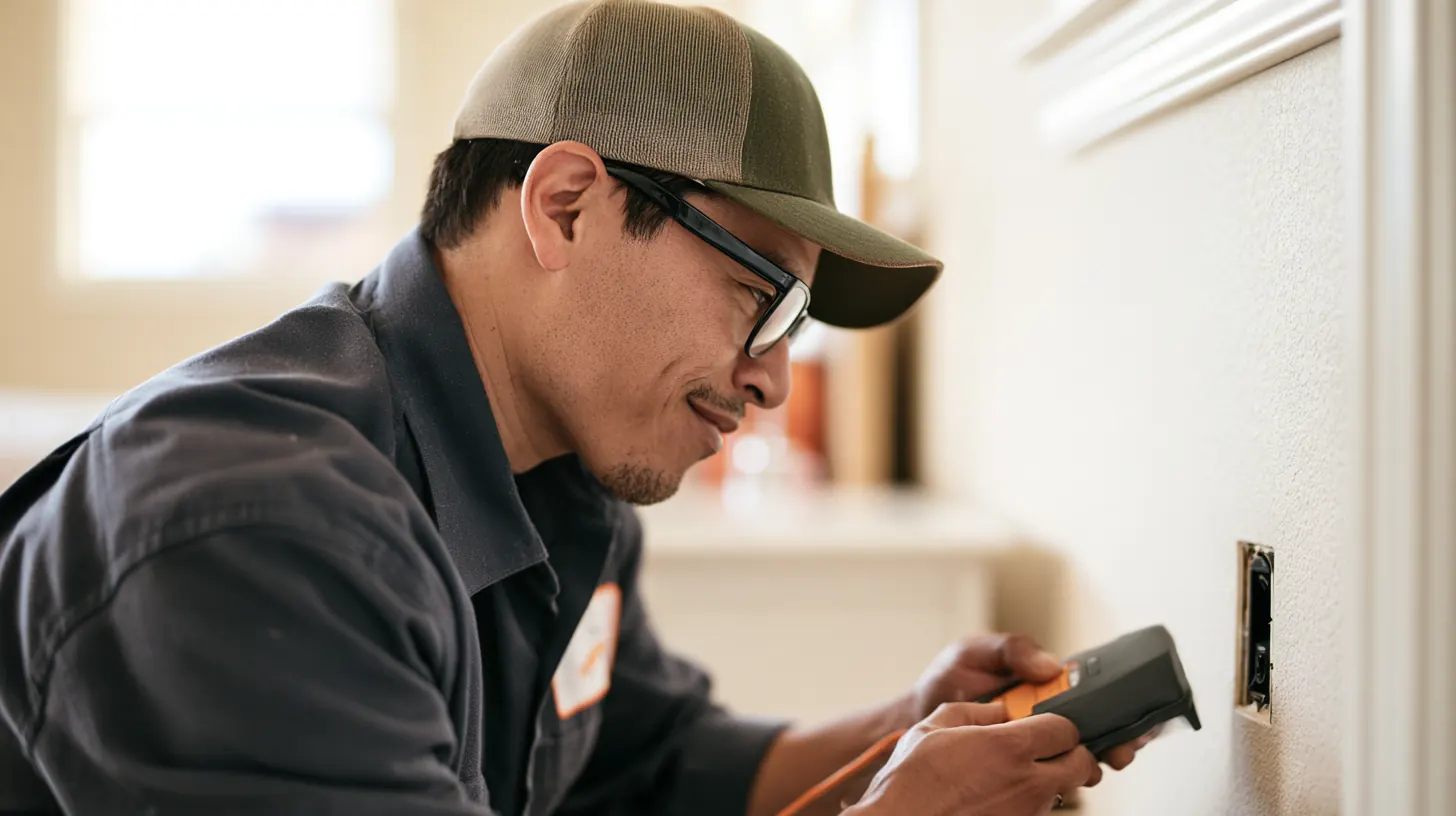
Yes, an installment loan can cover an emergency roof leak, and many lenders approve borrowers with bad credit for $500 to $2,500, which pays for most patch and flashing repairs, though a full roof replacement usually needs a larger financing option.
Installment lenders make fixed-payment personal loans that you repay over months. Because the loan is unsecured, the lender does not need home equity or an appraisal, and funding often arrives within one to two business days. For a leak that is actively dripping into a bedroom, that speed matters.
People who look for Credit Bad Loans after a storm usually need a contractor booked this week. This guide covers what leak repairs cost, what insurance may pay, how to stop the damage today and how to borrow the right amount.
Most roof leak repairs cost between about $350 and $2,500, with flashing and small shingle repairs at the low end and larger patches, decking replacement and interior water damage at the high end.
| Repair | Typical cost range | Common loan size |
|---|---|---|
| Replace a few shingles | $150–$600 | Often covered by savings or a card |
| Flashing repair around a chimney or vent | $300–$1,200 | $500–$1,500 |
| Valley or skylight leak repair | $500–$1,800 | $1,000–$2,000 |
| Patch plus damaged decking (sheathing) | $800–$2,500 | $1,000–$2,500 |
| Interior drywall and paint after a leak | $300–$1,500 | $500–$1,500 |
| Full roof replacement | $8,000–$20,000+ | Beyond a small personal loan |
If a contractor recommends full replacement, ask whether a targeted repair could last a few more years. Sometimes it can, and sometimes the roof truly is at the end of its life.
Before arranging money, limit the damage: catch dripping water, move belongings, photograph everything and, if safe, have a roofer place a temporary tarp, which often costs $200 to $600 and can prevent much larger interior repairs.
Keep every receipt for tarping and cleanup work. If insurance covers the event, those costs are often reimbursable. Write down the date and time the leak started and any weather that came before it; adjusters often ask, and notes made on the day carry more weight than memories reconstructed weeks later.
Homeowners insurance usually covers sudden damage, such as a tree limb puncture or wind that tears off shingles, but not leaks caused by age, wear or poor maintenance, so the cause of the leak decides whether a claim is worth filing.
Call your insurer or agent and describe what happened. If the damage came from a storm, an adjuster may inspect it. Keep in mind your deductible, often $1,000 or more; if the repair costs less than the deductible, a claim will not pay anything.
Renters should notify the landlord in writing right away, since roof repairs are normally the owner's responsibility. Renters insurance may cover your damaged belongings, but not the roof itself.
If insurance will pay but slowly, a short-term personal loan can cover the contractor's deposit while the claim is processed. Choose a loan with no prepayment penalty so you can pay it off when the check arrives.
Repairing a leak now is usually cheaper than waiting, because water that reaches insulation, decking and drywall multiplies the bill, but a small, dry-weather leak that a tarp has stopped can sometimes wait a few weeks while you compare quotes.
The math is simple once you see it. A flashing repair quoted at $700 today might become $700 plus $900 of drywall, $400 of insulation and a mold treatment if water keeps entering through a wet season. Borrowing $700 with a personal loan at a representative 29.99% APR over six months costs about $63 in interest. Waiting can cost ten times that.
Waiting a short time can make sense in a few situations:
In every other case, a fast repair is the cheaper repair. That is the main reason homeowners consider Credit Bad Loans for roof work: the personal loan costs a known amount, while the damage from waiting does not.
If you do wait, set a firm date. Check the tarp after every storm, keep an eye on ceiling stains and attic insulation, and move valuables away from the affected room. A personal loan application takes only a few minutes, so you can apply the moment the decision is made. Many borrowers find that comparing two or three offers for Credit Bad Loans takes less time than getting the second roofing quote.
Personal loan lenders evaluating a roof repair request look at income, the existing monthly debts you pay, recent payment history and your checking account, and they generally do not inspect the home or require proof of ownership.
The loan is a standard unsecured personal loan, so the decision rests on whether the monthly payment fits your budget. A $1,500 loan over 12 months at a representative 29.99% APR costs about $146 a month; over 18 months, about $105.
Expect to provide recent pay stubs or bank statements, checking account details and an ID. Some lenders ask for the repair purpose or the contractor's quote. Our eligibility guide lists typical requirements, and the home repair loans guide explains how lenders treat repair requests.
At a representative 29.99% APR with no origination fee, a $1,000 roof repair loan over 12 months costs about $97 a month, while a $2,500 repair over 18 months costs about $174 a month and roughly $635 in total interest.
| Loan | Term | Monthly (est.) | Total interest |
|---|---|---|---|
| $1,000 | 12 months | about $97 | about $170 |
| $1,500 | 12 months | about $146 | about $255 |
| $2,000 | 18 months | about $139 | about $508 |
| $2,500 | 18 months | about $174 | about $635 |
Origination fees, if charged, come out of the deposit, so request enough to cover them. The $2,500 loan guide covers the larger repair range, and the rates guide explains APR by credit band.
After a storm, choose a licensed, insured local roofer with a physical address and written estimates, and avoid door-to-door crews that ask for large upfront payments or push you to sign over insurance benefits on the spot.
Storm chasers arrive within days of severe weather. Some do good work; many do not, and a few vanish after collecting deposits. Protect yourself:
A good roofer will explain whether a repair or replacement makes sense and will not pressure you to decide immediately.
The right loan amount is the contractor's written estimate for the leak repair, plus interior repairs you cannot do yourself, plus any lender fee, minus whatever savings or insurance money is available now.
Interior damage is easy to forget. A stained ceiling may need new drywall, primer and paint; wet insulation in the attic may need replacement. Ask the roofer whether they handle interior work or recommend someone who does.
Then subtract what you can cover. If the total is $1,900 and you have $400 saved, a $1,500 personal loan is enough. Borrowing the full $1,900 would add interest on money you did not need. If insurance will reimburse part of the cost later, plan to put that check toward the loan.
To apply quickly, gather the estimate, pay stubs or bank statements, checking account details and ID, then send one request and compare personal loan offers by total cost before accepting.
Our form takes about five minutes. Many lenders respond within minutes, often after a soft credit check. Accepting early on a weekday gives the best chance of next-day funding. If the roofer needs a deposit sooner, ask whether a signed loan agreement is enough to book the job.
Compare offers by APR, fee, term and total of payments. A slightly higher payment over a shorter term usually costs less overall. People comparing roof repair offers often find the spread between offers is larger than expected, so it pays to look at each one.
Twice-yearly roof checks, clean gutters, trimmed overhanging branches and prompt repair of small issues prevent most leaks, and a small home repair fund turns the next problem into an inconvenience rather than an emergency.
Look at the roof from the ground each spring and fall for missing or curled shingles and damaged flashing. Binoculars make this easy, and a quick look after every major windstorm catches problems while they are still small and cheap to fix. Clear gutters so water does not back up under the roof edge. Trim branches that rub against shingles or could fall in a storm.
Once the loan is paid, consider redirecting the same monthly amount into savings. A year of $100 transfers builds a $1,200 fund, enough for most future patch repairs without borrowing. Fast offers such as money loans online same day can feel convenient in a crisis, but a modest fund is cheaper and always available.
Quick answers
Some lenders in our network review scores around 550 for repair loans when income is steady. Expect a higher APR and possibly a smaller approved amount than you request.
No. Personal loans are unsecured and based on your income and credit, not property ownership, though renters should ask the landlord to handle roof repairs.
If the damage is covered, insurance reimburses the repair cost regardless of how you paid. Keep every receipt and use the reimbursement to pay down the loan.
Many lenders fund within one to two business days after you accept, and some can fund the same day if you sign early on a weekday. Ask the roofer to book the job with a signed loan agreement if the deposit is due sooner.
For a repair you can pay off within a month or two, a card with available credit is usually cheaper. For a larger repair you need several months to repay, a fixed-payment loan typically costs less in total and keeps card utilization low.
Related posts
Typical furnace repair costs, assistance programs and how a small personal loan covers the rest with bad credit.
Read the guide →
Direct lenders, bank partnerships and connection services explained, plus how to check who actually funds your loan.
Read the guide →Next step
One short request, no fee to use the service, and no obligation to accept any offer.